As the summer approaches, people worldwide plan their travel. Tourism stimulates economic growth in countries and fosters cultural exchange that supports diversity. Instead of going where the winds take them, people are getting influenced to travel to some popular destinations. There is a noticeable surge in tourism at some specific locations in the world, further leading to overcrowding. A tourism surge of 1.8 billion arrivals raises plenty of questions related to crowd management, accommodation incompetence, and sustainability. In response, locals at prominent tourist spots that have witnessed overtourism have retaliated in the form of an act: Anti-Tourism. The factors leading to this movement can be diversified to see who is to be blamed and sort any controllable measures to curb the situation. Overtourism is an urgent and alarming issue that affects not only travelers but is unrestricted and universal. The tourism industry is being pressured more than ever to understand why relations between tourists and locals have gone sour; let's dive into the basics.
Global Hotspots: Cities Clamping Down on Overtourism
There are countries in the world that have been facing the ill-effects of overtourism for years and continue to do so. They have approached the issue with different solutions that may not hamper growth but slow the overeffect down. While some of the ways might not have worked as intended, these were still steps in the right direction. Below are the countries that are facing the strong spear of overtourism and now are clamping down:
Barcelona, Spain
Barcelona witnesses the largest flock of tourists, with Mallorca just behind it. For over 10 years, the problems of tourism have not been addressed, and no apparent efforts to manage the situation have been made. The cities have seen massive protests against overtourism. As technological advancements come into being, later this year the government will integrate an AI-powered platform on the website that will show real-time visitor data. With the integration, you will be able to see the best time to visit popular destinations and curate a list of off-beaten destinations that could be an excellent alternative.
Amsterdam, Netherlands
Many locals in Amsterdam have faced issues due to the overtourism the neighborhood has experienced. The environment of the streets and the locality is turning more towards catering to visitors and tourists. The homely feeling that once existed has been replaced by theme park energy that defies what the place promises to deliver. The society has been homogenized, which has ruined the culture and the very character that Amsterdam was known for. With growing anti-tourism sentiment, locals who once lived and contributed have struggled to find the essence that held them together and have been displaced in search of affordable housing and facilities.
Dubrovnik, Croatia
Dubrovnik has been ranked as one of the most overcrowded cities in the world, with over 27 tourists for every resident in the peak season. The city is known for its architecture, but lately the focus has been on the city's overtourism, which began after the Game of Thrones headlines. Back then, the noted suspects behind the anti-tourism movement were cheap flight tickets, short-term sublets, and cruise ships. Dubrovnik has issued a proposal called Respect the City that has two premises. Instead of focusing on the tourists, the mismanagement was being handled. Tourism businesses, local people, and city officials have one collective aim: to make the place better for both residents and visitors.
Santorini, Greece
According to 2012 data, one out of ten tourists who come to Greece for their travels make sure to visit Santorini. Millions of people traveled, and the aftermath of the recklessness made it difficult for the locals to get the water supply and electricity. The city turned into a dumpster, and you could see trash piling up. It became impossible to navigate the city as the roads were jammed. Accommodation prices skyrocketed, and it became impossible for the workers to manage. As a method to curb overtourism, the Greek Prime Minister Kyriakos Mitsotakis introduced the plan to impose a 20-euro levy on cruise ship visitors in Santorini and Mykonos.
Fujiyoshida, Japan
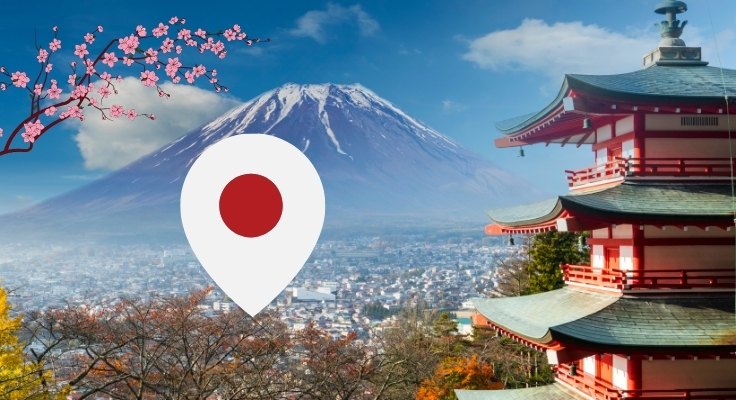
The annual festival that was celebrated near Mount Fuji, Japan, marking the blooming season of the cherry blossoms, has been canceled. The festival drew almost 200,000 visitors every year, but after complaints from locals about invading their homes, trespassing, and littering, the festival has been canceled. As global tourism rises, locals' patience with tourists has dropped. In 2025, Japan saw the highest tourism ever, which the government could not manage. They have deployed AI crowd control, erected physical barriers, and charged triple the entry fees for foreigners. The last resort was to cancel the annual festivals.
Who is Responsible for Overtourism?
Finding the root cause of the problem is always the hardest task. Pinpointing who is to blame for overtourism will help decode the issue better. Whether it's tourists, protestors, airlines, or the government, everyone has accountability to each other and to mutual growth. The fingers are being pointed at the one that is directly affecting the other, but that does not shift the focus from you. The responsibility falls on the shoulders of everyone who is a part of the system. Let's figure out, by the points below, who has led to the emergence of the anti-tourism movement:
- Government: Tourists don't look for overcrowded destinations. With proper coordination, management, and information release, the government can intervene and address the issues effectively. The issue to manage is controlling the number of tourists who reach one destination. The government has the complete data on how many tourist visas are being issued.
- Social Media: The amplification of viral and photogenic destinations through social media's engagement-based algorithms also drives overtourism. The desire to flock to the same destination for status and digital curation is the reason for the extreme and localized bottlenecks that damage the ecosystems and strain the local infrastructure. Platforms incentivize visual storytelling. Precise geotagging allows millions to locate previously hidden gems, funneling unprecedented foot traffic into fragile, localized communities. The destinations are also being used as the backdrops for personal branding.
- Travelers: After planning religiously for travel for months, it would not be ideal to give up on the plan. People lack awareness of their travel plans. Instead of controlling their actions, they would spend an equal or more amount of money on the same destination that would offer much less of an experience. A basic courtesy when traveling is to make sure you leave the destination just as you found it, or even better.
- Industry: The travel industry drives overtourism through the aggressive marketing of specific hotspots and by colluding with governments to offer artificially cheap flights and cruises. Moreover, massive cruise operators and short-term rental platforms overwhelm local infrastructure and inflate housing costs.
Negative Impacts of Overtourism
Tourism uses the same pool of resources that are allotted for the public realm and benefits from that. On the other hand, it also provides the destination with growth. Apart from resource exhaustion and the mass displacement that locals go through, there are plenty of other negative impacts as well that outweigh the growth. To put the focus on the negative impacts of overtourism, you can refer to the points below:
- Housing and Economic Displacement: The conversion of residential properties into short-term rentals drastically reduces affordable housing options, causing locals to be priced out of their own neighborhoods.
- Environmental Degradation: Ecosystems suffer from increased pollution, water shortages, littering, and habitat destruction. The high tourist numbers erase the sanctity of the historical landmarks and nature's gifts.
- Commodification of Culture: Traditional customs, cultures, and heritage sites enter the zone of risk due to tourist traps and further lead to the loss of authenticity and local identity.
- Community Resentment: As the quality of life drops, locals often feel isolated or marginalised, sometimes resulting in social friction and cultural divides between visitors and residents.
Sustainable Solutions: How to Ease Tourism Tensions
Overtourism is an alarming issue that the world is facing today. It can't be said that with proper planning and management from all parties involved, it can help to curb the issue. With persistent efforts and the breakdown of the issues, including the behavioral and systemic ones, overtourism or anti-tourism will be a thing of the past. Below are some of the major steps that can be taken to ease the tensions caused by overtourism:
- Proper Tourism Regulation and Planning: With a mixture of accommodation limits and economic deterrents, the government can regulate tourism and plan it accordingly. Moreover, the government can implement day-tripper fees and visitor caps. Some countries have strongly implemented restrictions on cruise passengers.
- Discourage Bad Tourism: Involving the bad side of tourism includes stopping harmful behaviors and reducing crowd pressures through clear rules, higher costs, and smart visitor limits. Outlawing disruptions and unregulated activities should be restricted lawfully. The core dimensions include protecting the natural ecosystems and resources from physical degradation.
- Precise Marketing: By shifting the broad promotion to behavioral governance using data-driven segmentation, targeted demarketing, and spatial-temporal redistribution. Marketing should emphasize lesser-known neighborhoods, hidden local experiences, and eco-friendly outdoor trails to pull the crowds away from the overvisited core landmarks.
- Release the Carrying Capacity: The Carrying Capacity of the destination defines the maximum number of visitors the place can handle without harming the environment, infrastructure, or residents' quality of life. Using carrying capacity to manage overtourism involves setting visitor limits, raising local taxes, and dispersing crowds to alternative regions or off-peak periods to reduce strain on major hotspots.
Conclusion: You would want to travel with complete peace and the space to explore and have the experience to yourself. But what if the destination is as crowded as the roads on a Monday morning? After constantly manifesting a perfect trip, crowds can be disappointing. Tourism is what we make it. With advances in socialization and the media, it has become quite uncontrollable to manage overtourism and the overwhelming state it has created for locals as well as tourists. With this post, you will learn about overtourism in detail, the factors affecting it, and some significant solutions.